
Gallstones Without Symptoms: Do You Really Need Surgery?

Gallstones Without Symptoms: Do You Really Need Surgery? Gallstones are hard deposits that form inside the gallbladder and are relatively common. They may be discovered during an ultrasound or other abdominal scan performed for an unrelated reason. When gallstones do not cause pain or other symptoms, they are known as asymptomatic gallstones or silent gallstones. A common question is: If gallstones are not causing any symptoms, do they really need to be removed? In many cases, the answer is no. However, whether surgery is appropriate depends on individual risk factors and the condition of the gallbladder. What Are Asymptomatic Gallstones? Gallstones can vary in size and number. Some people have gallstones for years without experiencing any symptoms. These stones are often discovered incidentally during an ultrasound. Unlike symptomatic gallstones, which can cause biliary colic, inflammation, or other complications, asymptomatic gallstones generally do not require immediate treatment. Regular observation may be recommended when there are no concerning symptoms or risk factors. When Do Gallstones Cause Symptoms? Gallstones may become problematic if a stone blocks the normal flow of bile. This can result in symptoms such as: Sudden pain in the upper right or upper middle abdomen Pain after eating, particularly after fatty meals Pain that may radiate to the back or right shoulder Nausea or vomiting Bloating or indigestion A gallstone blocking a bile duct can sometimes lead to more serious complications, including jaundice, infection, or pancreatitis. Do Asymptomatic Gallstones Need Surgery? For most people with uncomplicated, symptom-free gallstones, routine gallbladder removal is not recommended simply because stones are present. Instead, doctors generally consider the patient’s symptoms, age, medical history, gallbladder findings, and risk of complications before recommending surgery. This is important because surgery, although commonly performed and generally safe, still carries potential risks. Therefore, removing a gallbladder that is not causing problems may not provide enough benefit to justify surgery for every patient. When Might Surgery Be Considered? In certain situations, surgery may be considered even when gallstones are not causing typical symptoms. The decision depends on individual circumstances and should be made after specialist evaluation. Factors that may influence the decision include: Certain abnormalities of the gallbladder Suspicious gallbladder polyps or lesions A calcified or “porcelain” gallbladder in selected cases Stones associated with complications Conditions that may increase the risk of future gallbladder problems Findings that require closer assessment based on imaging People with family history of gall bladder cancer Mild symptoms like increased gas formation and abdominal discomfort may also be attributable to gallstone. The presence of one of these factors does not automatically mean surgery is necessary. Your surgeon will assess the overall clinical picture before recommending treatment. What Happens If Gallstones Are Left Untreated? If asymptomatic gallstones remain symptom-free, they may never cause a problem. However, some people may eventually develop symptoms or complications. Possible complications include: Acute cholecystitis, or inflammation of the gallbladder Bile duct obstruction Jaundice Pancreatitis Bile duct or gallbladder infection When Should You See a Doctor? Seek medical attention if you develop persistent or severe abdominal pain, fever, repeated vomiting, yellowing of the eyes or skin, dark urine, or other new symptoms. If gallstones have been discovered incidentally, discussing the findings with a specialist can help determine whether observation or treatment is appropriate. The Bottom Line Asymptomatic gallstones do not always require surgery. In many people, monitoring is appropriate when the gallstones are not causing symptoms and there are no significant risk factors or concerning gallbladder findings. Dr. Nishant Kurian, a Surgical Gastroenterologist and GI Oncosurgeon in New Delhi, specialises in the evaluation and surgical management of gallbladder and other gastrointestinal conditions. If gallstones have been discovered during a scan or you are experiencing new abdominal symptoms, a specialist assessment can help determine whether you need treatment or simply continued observation. The right approach is not necessarily to remove every gallstone, but to understand when gallstones need treatment and when they can safely be monitored. Contact
Why Does Your Stomach Feel Bloated Every Day? Common Causes Explained
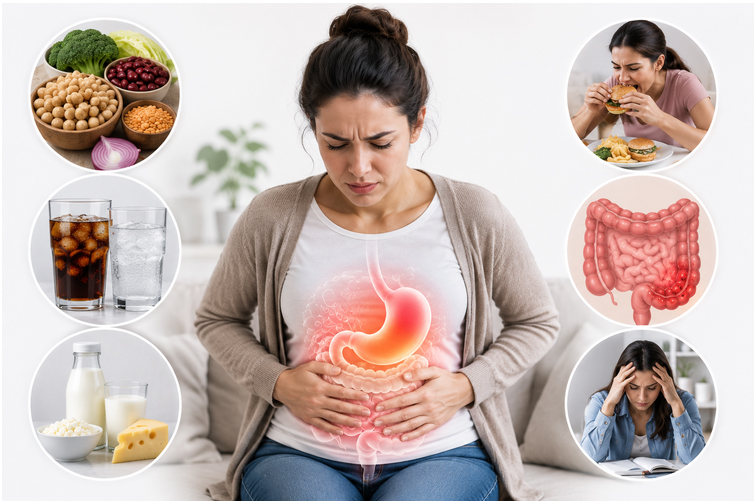
Why Does Your Stomach Feel Bloated Every Day? Common Causes Explained Feeling bloated occasionally after a heavy meal is common. But if your stomach feels swollen, tight, or uncomfortably full almost every day, it may be worth looking beyond your diet. Persistent bloating causes can range from simple dietary habits to digestive disorders that require medical evaluation. Bloating may feel like fullness, pressure, abdominal swelling, or excessive gas. Identifying the underlying cause is important, especially when bloating is persistent or occurs along with other digestive symptoms. Common Causes of Persistent Bloating Several conditions and everyday habits can contribute to frequent bloating. 1. Eating Too Quickly Eating quickly can cause you to swallow more air, which may lead to gas and abdominal distension. Large meals and eating late at night may also worsen bloating in some people. 2. Gas-Producing Foods Certain foods are more likely to cause gas, including beans, lentils, onions, cabbage, carbonated drinks, and some dairy products. Individual tolerance varies, so keeping track of foods that trigger symptoms can be helpful. 3. Constipation When stool builds up in the colon, it can make the abdomen feel swollen and uncomfortable. Constipation is therefore one of the commonly overlooked persistent bloating causes. 4. Lactose or Other Food Intolerances Some people have difficulty digesting lactose, the sugar found in milk and dairy products. Other food intolerances can also be a cause. 5. Irritable Bowel Syndrome Irritable bowel syndrome (IBS) is a common digestive disorder associated with bloating, abdominal discomfort, constipation, diarrhoea, or alternating bowel habits. Symptoms may come and go and can sometimes be triggered by certain foods or stress. 6. Acid Reflux and Other Digestive Conditions Bloating can sometimes occur alongside conditions such as acid reflux, indigestion, or other gastrointestinal disorders. When Could Bloating Indicate Something More Serious? Most cases of bloating are not caused by a serious disease. However, persistent or unexplained bloating accompanied by other symptoms deserves medical attention. Consult a doctor if bloating occurs with: Unexplained weight loss Persistent or worsening abdominal pain Blood in the stool Repeated vomiting Significant changes in bowel habits Loss of appetite Difficulty swallowing Persistent fatigue A noticeable abdominal swelling or lump How Is Persistent Bloating Diagnosed? Your doctor may begin by asking about your diet, bowel habits, medications, previous medical conditions, and the duration of your symptoms. A physical examination may be followed by blood tests, stool tests, ultrasound, CT scans, endoscopy, or other investigations when appropriate. The right investigation depends on your symptoms and medical history. Treating the underlying condition is generally more effective than repeatedly taking medication for gas without identifying its cause. Can Daily Bloating Be Prevented? Some simple habits may help reduce bloating: Eat slowly and chew food thoroughly. Avoid overeating and very large meals. Drink adequate water. Stay physically active. Identify foods that consistently trigger symptoms. Maintain regular bowel habits. Limit excessive carbonated drinks. Avoid unnecessary self-medication. When Should You See a Specialist? Occasional bloating is usually not a cause for concern. Daily or persistent bloating, particularly when accompanied by weight loss, bleeding, pain, vomiting, or changes in bowel habits, warrants a proper medical evaluation. Dr. Nishant Kurian, a Surgical Gastroenterologist and GI Oncosurgeon in New Delhi, specialises in the evaluation and surgical management of conditions affecting the digestive system, including gastrointestinal and colorectal diseases. If you are experiencing persistent bloating or other unexplained digestive symptoms, an expert evaluation can help determine the underlying cause and guide appropriate treatment. Understanding the persistent bloating causes rather than repeatedly treating the symptom can be an important step towards better digestive health Contact
Blood in Stool: Is It Always Piles or Could It Be Colon Cancer?
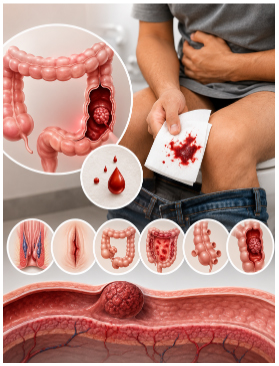
Blood in Stool: Is It Always Piles or Could It Be Colon Cancer? Finding blood in your stool can be alarming. While many people immediately assume it is due to piles (hemorrhoids), blood in the stool should never be ignored. Although piles are among the most common blood in stool causes, this symptom can also indicate more serious conditions, including colon cancer, inflammatory bowel disease, infections, diverticular disease, or colon polyps. Understanding the possible blood in stool causes is essential because early diagnosis can help prevent complications and, in some cases, save lives. Common Blood in Stool Causes Blood in the stool can appear in different ways. It may be bright red, dark maroon, or even black and tarry, depending on where the bleeding originates in the digestive tract. Some of the most common blood in stool causes include: Piles (Hemorrhoids): Swollen veins in the rectum or anus that often bleed during bowel movements, especially after straining. Anal Fissures: Small tears in the lining of the anus that usually cause pain along with bright red bleeding. Colon Polyps: Abnormal growths inside the colon that can bleed. While many polyps are benign, some can become cancerous over time. Inflammatory Bowel Disease (IBD): Conditions such as ulcerative colitis and Crohn’s disease may lead to chronic inflammation and rectal bleeding. Diverticular Disease: Small pouches that develop in the colon wall can occasionally bleed. Intestinal Infections: Certain bacterial infections can cause bloody diarrhoea. Colon Cancer: One of the more serious blood in stool causes that requires prompt diagnosis and treatment. Is It Always Piles? The simple answer is no. Piles typically cause bright red blood that appears on the toilet paper, drips into the toilet bowl, or coats the surface of the stool. The bleeding is often painless and may occur after passing hard stools. However, many people assume that any rectal bleeding is due to piles and delay seeking medical advice. Colon cancer and other gastrointestinal conditions can present with similar symptoms, particularly in the early stages. Self-diagnosing rectal bleeding can therefore delay timely treatment. Warning Signs That May Suggest Colon Cancer Although blood in the stool does not necessarily mean you have colon cancer, the following symptoms should never be ignored: Persistent or recurrent blood in the stool A recent change in bowel habits lasting more than a few weeks Unexplained weight loss Persistent abdominal pain or cramping Fatigue caused by iron-deficiency anaemia A feeling of incomplete bowel emptying Narrow or pencil-thin stools Risk Factors for Colon Cancer While colon cancer can affect anyone, certain factors increase the likelihood of developing the disease. Common risk factors include: Age over 45 years A family history of colon cancer or colon polyps Personal history of inflammatory bowel disease, including ulcerative colitis and Crohn’s disease A diet high in processed and red meats and low in fibre Obesity and a sedentary lifestyle Smoking and excessive alcohol consumption Type 2 diabete Having one or more of these risk factors does not mean you will definitely develop colon cancer. However, if you have these risk factors along with persistent rectal bleeding or other concerning symptoms, it is important to consult a specialist for further evaluation. How Is the Cause Diagnosed? To identify the underlying blood in stool causes, your doctor will begin with a detailed medical history and physical examination. Depending on your symptoms, age, and risk factors, further investigations may include: Stool tests Blood tests Colonoscopy CT scan or other imaging studies when required A colonoscopy is considered the gold standard for evaluating unexplained rectal bleeding. It allows the doctor to examine the entire colon, detect abnormalities, obtain biopsies if needed, and even remove precancerous polyps during the same procedure. When Should You See a Doctor? You should seek medical attention if: Blood in the stools. Black or tarry stools indicate upper gastrointestinal bleeding. Persistent anaemia especially over 50 You have a family history of colon cancer. You experience unexplained weight loss or persistent abdominal pain. Your bowel habits have changed recently. Prompt evaluation helps identify the exact cause and ensures that appropriate treatment can begin as early as possible. Don’t Ignore Blood in the Stool While piles are among the most common blood in stool causes, they are far from the only possibility. Rectal bleeding should never be dismissed or self-treated without a proper medical evaluation. Conditions such as colon polyps, inflammatory bowel disease, and colon cancer can also present with blood in the stool, and early diagnosis is often the key to successful treatment. Dr. Nishant Kurian, a Surgical Gastroenterologist and GI Oncosurgeon in New Delhi, specialises in the diagnosis and surgical management of diseases affecting the digestive tract, including colorectal conditions and gastrointestinal cancers. If you notice persistent blood in your stool or experience other concerning digestive symptoms, seeking an expert evaluation can help identify the underlying cause and ensure timely, appropriate treatment. Early intervention not only improves outcomes but can also play a crucial role in preventing serious complications. Contact